
How Subaru's EyeSight Technology Protects Toronto Families in Stop-and-Go Traffic
December 17 2025,
Subaru's EyeSight Driver Assist Technology has been protecting Canadian families since its introduction, and the latest generation brings meaningful improvements for drivers navigating Toronto's congested highways and urban streets. The system uses camera-based monitoring to identify potential hazards and assist drivers when it matters most.
For families in Toronto, daily driving means managing the 401's stop-and-go traffic, construction zones on the DVP, and pedestrians crossing at busy intersections. EyeSight addresses these real-world scenarios with features designed to reduce collision risk and driver fatigue.
What Makes the Latest EyeSight System Different
The next-generation EyeSight Driver Assist Technology now standard on Subaru vehicles incorporates three forward-facing cameras instead of two. This expanded field of view allows the system to detect pedestrians and cyclists at intersections sooner, a critical improvement for navigating Toronto's downtown core where foot traffic and bike lanes intersect with vehicle flow.
Key technical improvements include:
- Wide-angle mono camera added to the existing stereo camera setup for enhanced peripheral detection
- Updated control software that processes information faster and responds more smoothly
- Electric brake booster integration that improves Pre-Collision Braking effectiveness
- Haptic steering wheel feedback that delivers tactile warnings to drivers
The system operates across a broader range of conditions than previous versions. Low-light performance has improved, addressing Toronto's early winter sunsets and overnight driving scenarios.
Safety Features That Address Toronto Driving Conditions
EyeSight includes multiple active safety systems that work together to support drivers on Toronto roads.
Pre-Collision Braking monitors the road ahead and automatically applies braking when the system detects an imminent collision. This feature addresses rear-end collision scenarios common in highway traffic slowdowns or when drivers are distracted in urban settings.
Adaptive Cruise Control maintains a set speed while automatically adjusting distance from the vehicle ahead. During long stretches on Highway 400 or Highway 404, this reduces driver fatigue by managing acceleration and deceleration in fluctuating traffic conditions.
Lane Centring Assist helps keep the vehicle centred in its lane, particularly useful when navigating construction zones with shifted lane markings or narrow corridors. The system uses gentle steering inputs to maintain proper positioning.
Emergency Stop Assist activates if the driver becomes unresponsive while using Adaptive Cruise Control. The system will bring the vehicle to a complete stop, activate hazard lights, unlock doors, and notify emergency services through SUBARU STARLINK Connected Services.
How EyeSight Handles Real Toronto Scenarios
Toronto drivers face distinct challenges that EyeSight technology addresses through its advanced detection capabilities.
Highway Merging and Lane Changes
The 401, DVP, and Gardiner Expressway feature short merge lanes and aggressive lane-change patterns. EyeSight's Lane Change Assist detects vehicles approaching quickly from adjacent lanes, alerting drivers to potential blind-spot conflicts during merges.
Construction Zone Navigation
Toronto's ongoing infrastructure work creates constantly changing road conditions. Lane Departure Warning and Lane Sway Warning help drivers stay positioned correctly when construction barriers narrow lanes or when temporary lane markings contradict permanent ones.
Pedestrian and Cyclist Detection

Downtown intersections see high volumes of pedestrians and cyclists. The wide-angle mono camera expands the system's peripheral vision, allowing earlier detection of people entering crosswalks or cyclists approaching from the side. When the system identifies a collision risk, it alerts the driver and can apply Automatic Emergency Steering to help avoid impact.
School Zone Safety
Toronto's school zones require heightened awareness during drop-off and pickup times. EyeSight's enhanced pedestrian detection helps identify children who may enter the roadway unexpectedly, while Pre-Collision Throttle Management prevents unintended acceleration if an obstruction is detected ahead.
EyeSight Performance Across Ontario Seasons
The system maintains functionality through Ontario's seasonal variations. The cameras are positioned behind the windshield, protected from direct snow and ice accumulation. The system continues operating in light rain and snow, though heavy precipitation or completely obscured windshield glass will limit camera visibility—similar limitations that affect human drivers.
Winter driving introduces specific challenges. Black ice on the Gardiner, sudden snowfall on Highway 401, and reduced visibility during winter storms all test driver reaction time. While EyeSight cannot override the laws of physics on slippery surfaces, it can identify hazards earlier than drivers might and begin braking sooner, potentially reducing collision severity even when a stop isn't possible.
Understanding System Limitations
EyeSight is a driver assistance system, not an autonomous driving system. Drivers maintain full responsibility for vehicle operation and must stay attentive at all times.
The system may experience reduced effectiveness in certain conditions:
- Heavy rain, snow, or fog that obscures camera vision
- Direct sunlight or headlight glare that temporarily affects cameras
- Extremely tight curves where road trajectory exceeds camera range
- Vehicles or objects entering the path too quickly for the system to process
EyeSight is designed to support safe driving habits, not replace them. The system works most effectively when drivers remain engaged, maintain proper following distances, and drive according to road conditions.
EyeSight Across the Subaru Lineup
Every new Subaru model available in Canada comes standard with EyeSight Driver Assist Technology. The system is included on:
- 2025 Subaru Forester (including e-BOXER Hybrid)
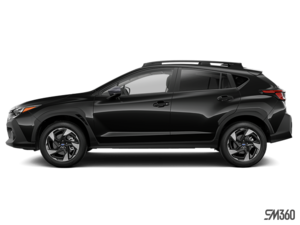
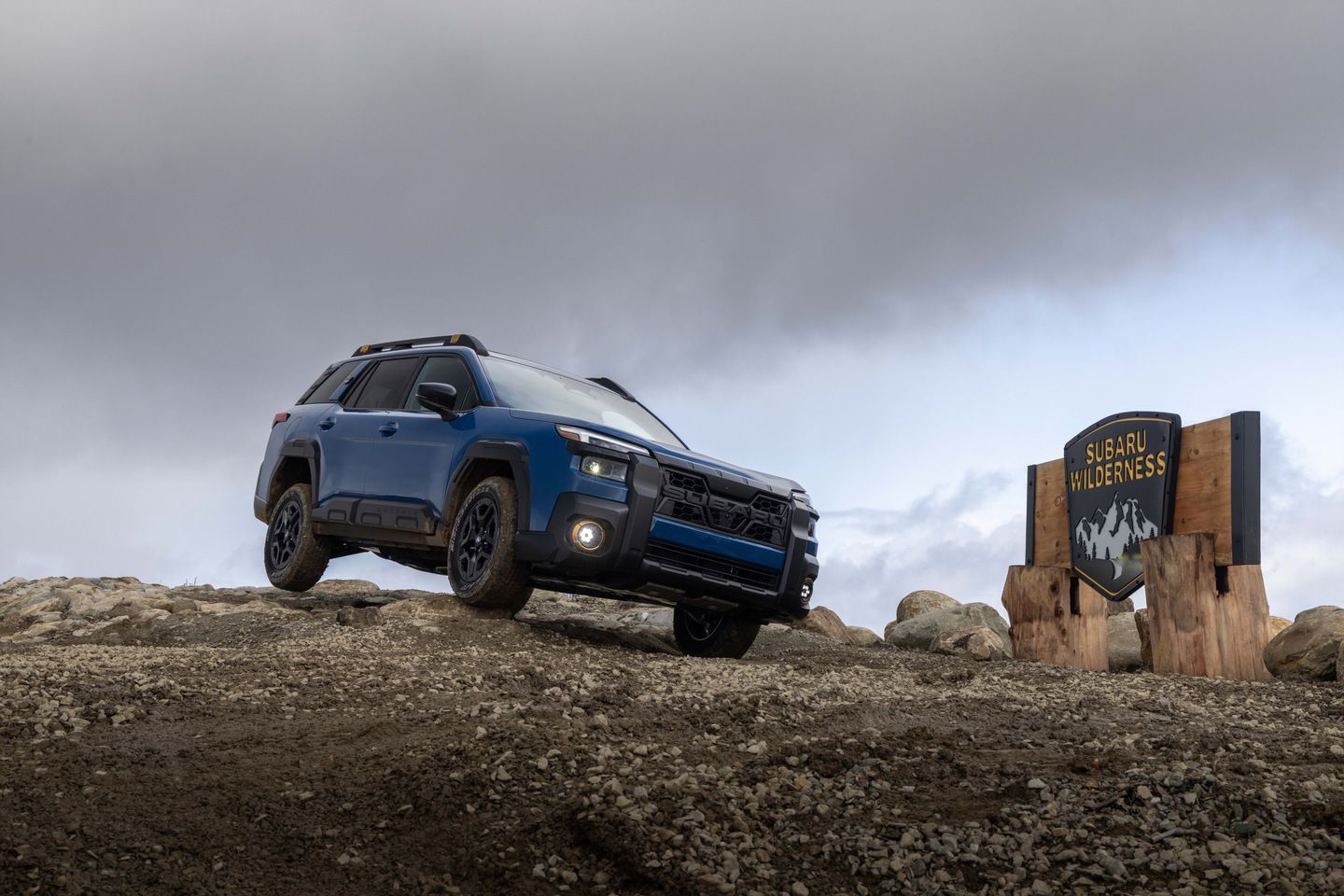
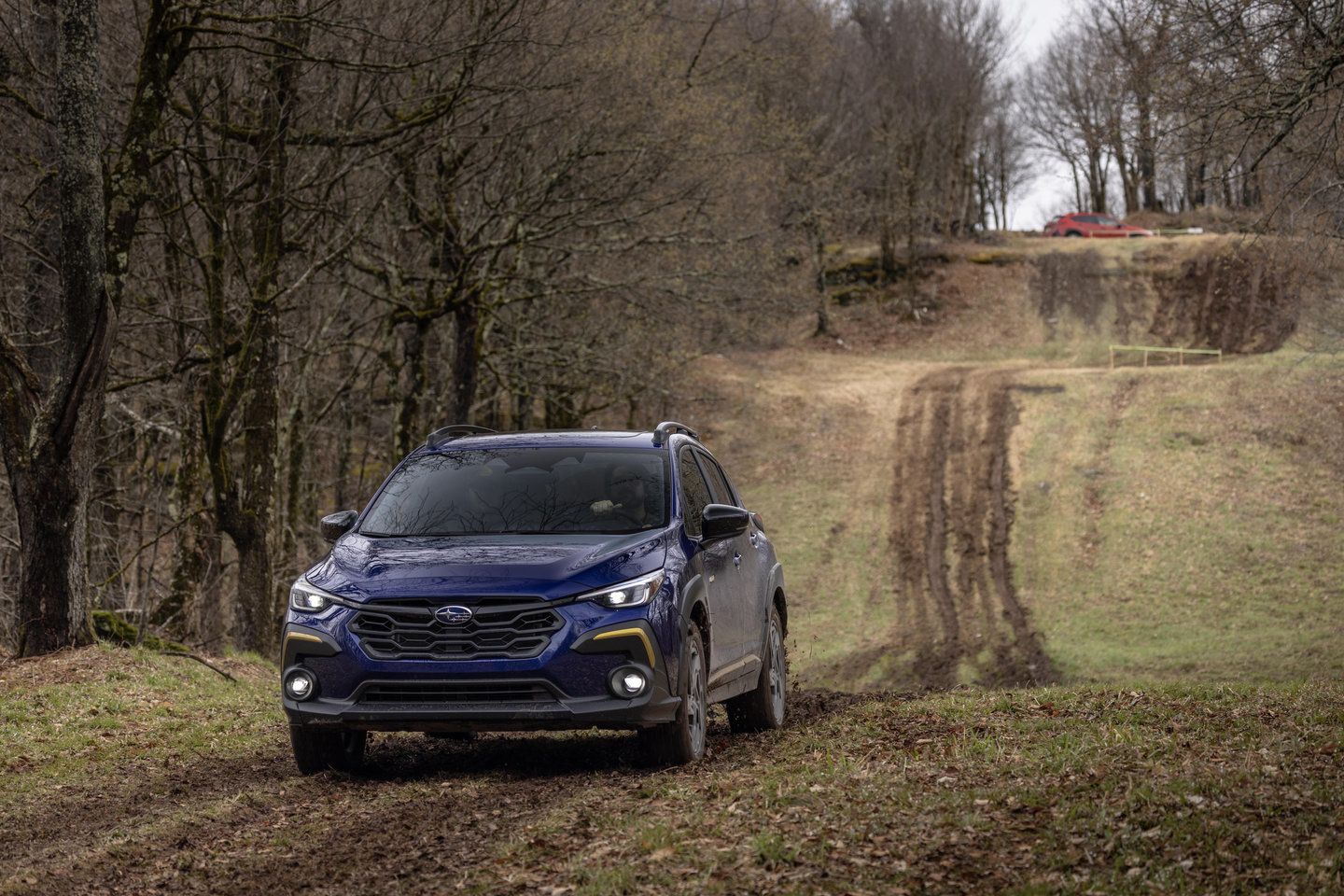
- 2025 Subaru Crosstrek and Crosstrek Wilderness
- 2025 Subaru Outback (2026 model arriving late 2025)
- 2025 Subaru Ascent
- 2025 Subaru WRX
Select models offer additional features beyond the standard EyeSight package. The 2026 Outback will introduce Highway Hands-Free Assist, allowing driver-supervised hands-free operation on designated highways at speeds up to 135 km/h. This feature reduces driver fatigue on longer trips while maintaining safety through driver monitoring systems.
Independent Safety Recognition
The Insurance Institute for Highway Safety (IIHS) has consistently awarded Subaru vehicles equipped with EyeSight its highest front-crash prevention ratings. Multiple Subaru models have earned IIHS Top Safety Pick and Top Safety Pick+ awards, with EyeSight cited as a contributing factor to these achievements.
These independent evaluations measure real-world collision avoidance performance, not just theoretical capabilities. The testing includes both low-speed and moderate-speed scenarios that mirror common crash types on urban and suburban roads.
Why Active Safety Matters for Toronto Families
Toronto drivers cover significant distances. Commutes from Scarborough to downtown, trips to Vaughan Mills, or weekend drives to Muskoka add up to thousands of kilometres annually. EyeSight reduces the cognitive load of constant vigilance, helping drivers stay alert during long drives while providing backup support when attention lapses occur.
For families, the technology adds a layer of protection during the most vulnerable moments: distracted glances at navigation screens, checking on children in rear seats, or fatigue during evening commutes. EyeSight monitors the road continuously, without distraction or fatigue.
Experience EyeSight at Marino's Fine Cars Subaru
Understanding EyeSight's capabilities is easier through direct experience. Our team at Marino's Fine Cars Subaru in Toronto can demonstrate how the system responds to real-world conditions and answer questions about its operation in your daily driving routine.